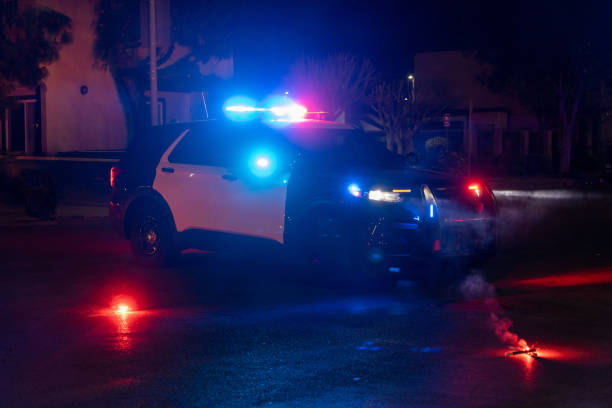
TRUCKEE, Calif. — Firefighters from multiple agencies responded to a significant incident in Truckee, California, on May 23, 2026, after residents reported smoke and signs of emergency activity in the area. The Truckee Fire Protection District and supporting units from surrounding departments mobilized rapidly to assess the situation, implement safety measures, and contain the potential threat to life, property, and the surrounding forested terrain.
The Incident
The initial report came in during the early morning hours when residents of Truckee observed emergency vehicles converging near a location in the city. In some instances, witnesses described visible smoke rising above the surrounding terrain, prompting immediate 911 calls. Given Truckee’s location in a mountainous region near Lake Tahoe, emergency services recognized the potential severity of the situation and dispatched multiple units without delay. Firefighters arriving on scene encountered active fire conditions, though the precise nature—whether a structure fire, brush fire, or combination—was not yet officially confirmed. The response focused on safety, containment, and hazard mitigation.
Firefighting and Containment Efforts
Upon arrival, first responders quickly established a command post and began evaluating the scope of the incident. Crews worked to secure the perimeter, keeping residents at a safe distance and preventing unauthorized access to potentially hazardous zones. Firefighting efforts included both direct suppression operations and defensive positioning to protect nearby structures. Given Truckee’s hilly terrain and dense tree coverage, aerial support and hand crews were coordinated alongside engine companies to access challenging areas and prevent fire spread.
Officials emphasized the importance of a unified approach, deploying personnel strategically to maintain a continuous flow of water to containment lines and establish clear communication among ground crews, command, and supporting agencies. Mutual aid from neighboring fire districts was called in to augment resources, highlighting the collaborative approach necessary in mountain communities where wildfires and rapid flame spread pose unique risks.
Community Response and Safety Measures
Authorities temporarily closed select roads in Truckee to allow emergency vehicles to move freely and ensure the safety of both firefighters and the public. Local residents were advised to avoid the affected area, adhere to evacuation or shelter-in-place instructions, and follow official guidance. While no injuries were reported, medical personnel were positioned on-site as a precaution, prepared to provide immediate treatment should any firefighters, emergency responders, or civilians encounter smoke exposure, heat-related complications, or other hazards.
Truckee’s community, known for its tight-knit residents and proximity to popular outdoor recreational areas, responded quickly to the incident. Neighbors expressed concern and support for both emergency responders and any potential residents affected. Social media platforms and local news outlets shared updates, encouraging public awareness and safe behavior while the fire remained active.
Environmental Context and Risk Factors
Truckee’s mountainous environment presents unique challenges in fire response. Steep slopes, dense vegetation, and variable wind conditions can exacerbate fire behavior and complicate access. During dry seasons, brush fires can spread rapidly, threatening homes, infrastructure, and natural habitats. Officials in Truckee maintain continuous monitoring of environmental conditions, and public awareness campaigns regularly emphasize the importance of fire safety and preparedness. In this instance, crews were particularly cautious of wind shifts, dry underbrush, and proximity to residential structures.
Firefighting strategies focused on establishing containment lines to prevent the fire from extending beyond the initial incident zone. Crews worked to minimize flare-ups, using both manual and mechanical equipment to create defensible spaces around homes and other critical assets. The combination of engine companies, ladder trucks, and hand crews allowed for comprehensive coverage, ensuring that all approaches to the affected site were secure and effective.
Investigative Efforts
At the time of reporting, authorities had not determined the cause of the fire. Investigators plan to examine the scene once suppression operations are complete, considering factors such as accidental ignition, electrical faults, human activity, or other environmental contributors. In mountainous and forested regions, natural and human-made ignition sources are both possible, and fire marshals often conduct meticulous investigations to prevent similar incidents in the future. Weather conditions, including wind patterns and temperature, are also evaluated to determine potential impacts on fire initiation and progression.
Authorities emphasized that any statements regarding the cause remain preliminary. The primary focus during the active phase of the response was containment, public safety, and ensuring that no further escalation occurs.
Impact on Residents and Local Infrastructure
The fire’s presence in the community had immediate effects on local traffic and daily routines. Road closures limited access to certain neighborhoods, prompting residents to adjust travel plans and follow detours. Businesses in proximity to the fire temporarily altered operations for safety, while schools and recreational facilities monitored the situation closely. Emergency management officials maintained coordination with city authorities to ensure that public communication channels provided accurate, timely updates.
Residents described witnessing the swift response of firefighters and the scale of equipment deployed. Many expressed gratitude for the personnel risking exposure to heat, smoke, and potential hazards in challenging terrain to protect lives and property. Community members also shared concerns about property loss, environmental damage, and the potential for ongoing smoke and air quality effects in the days following the incident.
Firefighter Safety and Response Protocols
Firefighting crews operate under rigorous safety protocols, particularly in challenging environments like Truckee. Personnel are trained to monitor air quality, manage exposure to extreme heat, and navigate uneven or steep terrain. Protective gear, breathing apparatuses, and communication systems are critical for coordinating suppression efforts safely. In this incident, crews implemented rotational shifts to prevent exhaustion, ensuring that firefighters remained alert and capable during prolonged operations.
The deployment of multiple fire units allowed for a layered approach to firefighting, combining suppression with defensive measures to protect surrounding properties. Hand crews worked in coordination with engine companies to clear brush, establish fire breaks, and ensure that no embers could ignite new areas. Aerial monitoring or potential helicopter support may have been considered for reconnaissance and assessing fire spread, though official confirmation is pending.
Community Solidarity and Support
Truckee residents have demonstrated resilience and solidarity during the incident. Community organizations, neighborhood groups, and local volunteers offered assistance to displaced residents, providing temporary shelter, resources, and emotional support. Social media and local news platforms helped coordinate information sharing and updates, keeping the public informed while minimizing panic.
The response highlighted the importance of community preparedness and coordination in areas prone to wildfire and brush fires. Residents expressed gratitude toward firefighters and first responders for their prompt action and the effective communication that allowed for safe operations.
Environmental Recovery and Future Precautions
Following containment, environmental recovery efforts may be required. Burned areas are subject to erosion, habitat disruption, and potential secondary hazards. Local authorities and environmental agencies typically coordinate assessments and remediation to ensure public safety and ecological preservation.
Officials also emphasize that the incident underscores the ongoing need for fire prevention strategies, including proper clearance around structures, fire-safe building materials, and awareness of human activity that could inadvertently spark fires. Education campaigns and community engagement remain central to minimizing risk in high-fire-risk regions.
Looking Ahead
As the situation stabilizes, investigators will continue to analyze the origin, contributing factors, and potential lessons learned from the incident. Fire crews remain on standby to respond to any flare-ups or secondary hazards. Residents are encouraged to follow official updates and remain vigilant during periods of high fire risk, particularly in forested or mountainous areas.
The response to the Truckee fire on May 23, 2026, reflects the complexity of managing emergencies in challenging terrain and the dedication of emergency personnel who prioritize public safety above all else. Coordination, rapid deployment, and strategic firefighting efforts prevented the fire from causing further damage and ensured that residents remained safe throughout the incident.
Conclusion
Though no injuries have been confirmed, the Truckee fire serves as a reminder of the persistent risks posed by wildfires and structural incidents in mountain communities. Firefighters’ swift actions and the community’s preparedness minimized potential harm and ensured effective containment. The resilience and cooperation displayed during this event will remain a critical model for future emergency responses in the region.
Rest in peace to the safety, professionalism, and dedication of every firefighter who responded. Your courage protected lives and property, and your efforts will forever be remembered.
Leave a Reply