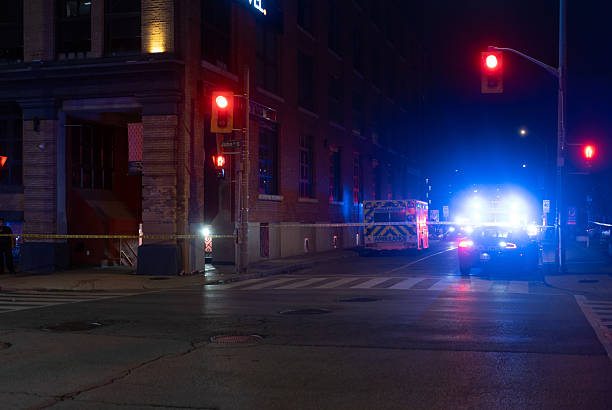
The island of Aruba, long celebrated for its turquoise waters, white-sand beaches, and reputation as a tranquil haven for tourists from around the world, is facing an unsettling reality. Authorities are currently responding to a shooting incident that has drawn immediate attention across the Dutch Caribbean nation. The Aruba Police Force confirmed that officers and emergency personnel were dispatched following reports of gunfire, marking yet another violent episode on an island where such events remain rare but are becoming increasingly concerning.
As forensic teams gather evidence and investigators work to determine the circumstances surrounding the case, residents and tourists alike are left with difficult questions: Is Aruba still safe? What is driving these incidents? And what is being done to prevent further violence? This article expands on the latest shooting, the ongoing investigation, and the broader context of recent violent events—including the fatal police shooting in Pos Abao and the high-profile conviction of two officers in the 2025 fatal shooting of 19-year-old Ayden Lanoy—that have shaken public confidence in the island’s safety and law enforcement procedures.
The Latest Incident: What We Know So Far
According to preliminary reports from local news outlets and official statements from the Aruba Police Force, the shooting occurred today at an undisclosed location on the island. Emergency dispatchers received multiple calls reporting gunfire, prompting an immediate response from patrol units, detectives, and paramedics.
Upon arrival, authorities secured the scene and began an active investigation. At the time of this writing, officials have not released complete details about possible suspects, motives, or whether there are any fatalities or injuries. The lack of information is standard in the early stages of an investigation, but it has also fueled speculation and anxiety on social media platforms where Aruba residents and frequent visitors share news.
The Aruba Police Force has urged the public to refrain from spreading unverified information and to allow investigators to do their work. Forensic teams remain on-site, collecting physical evidence, photographing the area, and searching for shell casings, fingerprints, and other trace materials. Witnesses are being interviewed, and nearby surveillance footage is being reviewed.
A short statement issued by police officials said: “We confirm that officers and emergency personnel were dispatched following reports of gunfire. An active investigation is underway. More details will be released as they become available and when it does not compromise the integrity of the investigation.”
The Broader Context: Rising Concerns Over Public Safety
While Aruba has long enjoyed a reputation as one of the safest islands in the Caribbean—particularly when compared to neighbors like Trinidad and Tobago or Jamaica—recent incidents have chipped away at that image. The shooting today is the latest in a string of violent events that have prompted the Aruba Police Force to increase monitoring and emergency response efforts in areas where violent incidents have occurred.
Tourism is the lifeblood of Aruba’s economy, accounting for an estimated 80% of GDP. The government has historically been quick to reassure visitors that the island is safe, and statistics generally support that claim. Petty crime like pickpocketing and theft from rental cars remains the most common issue facing tourists. However, isolated but high-profile violent incidents—including shootings, police use-of-force cases, and homicides—have drawn negative attention.
International travel advisories from the U.S. Department of State, Global Affairs Canada, and the UK Foreign Office continue to classify Aruba as a destination where travelers should exercise normal security precautions. These advisories note that violent crime is rare but does occur, and they advise tourists to remain aware of their surroundings, avoid isolated areas at night, and secure their accommodations.
Recent Incident #1: The Pos Abao Fatal Police Shooting
Earlier this year, Aruba was rocked by a fatal police shooting in Pos Abao, a small town on the island’s western coast. According to official reports, officers responded to a call about a man who was reportedly armed with a machete and behaving erratically in a public area. When police arrived, they encountered the individual and attempted to de-escalate the situation verbally.
Witnesses stated that the man refused to drop the machete and allegedly advanced toward officers despite repeated warnings. Police then discharged their firearms, striking the man, who later died at a hospital. The incident immediately drew scrutiny, with community members questioning whether lethal force was necessary.
Because the shooting involved on-duty police officers, the case was referred to the Landsrecherche—Aruba’s national investigative service that handles sensitive cases involving government officials. The Landsrecherche conducted an independent investigation, reviewing body camera footage (where available), witness statements, and forensic evidence.
Preliminary findings suggested that officers had attempted de-escalation tactics, including verbal commands and creating distance, before resorting to deadly force. However, the investigation remained open for months, and the case fueled ongoing debates about police training, mental health crisis intervention, and the use of firearms against individuals armed with bladed weapons.
The Aruba Police Force later issued a statement saying that the officers involved had been placed on administrative leave pending the outcome of the investigation, which is standard protocol. The statement also noted that the department would be reviewing its use-of-force training protocols.
Recent Incident #2: The Ayden Lanoy Case – A Conviction That Shook the Island
Perhaps the most damaging case to public trust in Aruba’s law enforcement has been the 2025 fatal shooting of 19-year-old Ayden Lanoy. The case, which concluded with the conviction of two Aruba police officers, has been cited by legal experts as a rare but significant instance of police accountability on the island.
According to court documents and testimony presented during the trial, Ayden Lanoy was a 19-year-old Aruban youth who came into contact with police under circumstances that remain disputed. What is not disputed is that Lanoy was shot and killed by officers, and that subsequent investigations found the force used during the incident to be excessive and not proportionate to any threat posed.
The court determined that the two officers violated Aruban law and police protocols, which require that lethal force only be used when necessary to prevent imminent death or serious bodily harm to the officer or others. Evidence presented suggested that Lanoy was not armed with a firearm and that alternative de-escalation or less-lethal options were available but not employed.
Both officers were sentenced to prison terms, though specific lengths of sentence have varied in different reports. The convictions sent a shockwave through the Aruba Police Force and the broader community. For many Arubans, the case was seen as proof that the justice system could hold even police officers accountable. For others, it was a painful reminder that police violence is not unique to larger countries like the United States or Brazil—it can happen anywhere, even in paradise.
The Ayden Lanoy case continues to be cited by civil rights advocates in Aruba who call for independent oversight of police conduct, mandatory body cameras for all patrol officers, and enhanced training in conflict resolution and de-escalation.
The Shooting Today: How It Fits Into the Pattern
Against the backdrop of the Pos Abao incident and the Ayden Lanoy conviction, today’s shooting takes on added significance. While it is too early to know whether this latest case involves police use of force, a civilian dispute, or something else entirely, the timing has put the Aruba Police Force under a microscope.
If the shooting is determined to be the result of criminal activity—such as a gang dispute or an armed robbery gone wrong—it may raise questions about rising violent crime on the island. Aruba has not historically had significant gang problems, but increased drug trafficking through the Caribbean has affected all islands, including Aruba, Curaçao, and Bonaire.
If the shooting involves police officers, as was the case in Pos Abao and the Ayden Lanoy incident, it will likely reignite calls for reform, transparency, and accountability. Civil liberties groups on the island have already begun monitoring the situation closely.
Official Response: Reassurances and Increased Monitoring
In response to the shooting today, as well as the broader trend of violent incidents, officials from the Aruba Police Force and the Government of Aruba have sought to reassure both residents and tourists.
A government spokesperson (paraphrased from local reports) stated: “Aruba remains a safe destination for visitors and a safe home for our people. The police are responding professionally to this incident. We have increased monitoring and emergency response efforts in areas where violent incidents have occurred. We urge everyone to remain calm and to allow the investigation to proceed.”*
The Aruba Tourism Authority has also been in contact with hotel associations and tour operators to provide guidance on how to answer guest questions about safety. Many resorts have increased their own private security patrols as a precaution, even though the shooting is not believed to have occurred in a typical tourist zone.
International Travel Advisories Remain Unchanged
As of today, no major international government has updated its travel advisory for Aruba specifically in response to this shooting. The U.S. Department of State continues to list Aruba under Level 1: Exercise Normal Precautions—the lowest advisory level. The UK Foreign Office similarly advises that most visits to Aruba are trouble-free, though it notes that violent crime, including armed robbery and homicide, can occur.
Travel experts suggest that tourists should not cancel trips over a single isolated incident, but they should exercise common sense: avoid walking alone in unfamiliar areas after dark, do not flash valuables, lock rental cars, and trust their instincts. Tourists should also be aware that emergency response times can vary depending on location, particularly in more remote parts of the island.
What Happens Next? The Investigation Unfolds
The investigation into today’s Aruba shooting will likely take days or weeks to complete. The Aruba Police Force has promised transparency but has also asked for patience. Key steps in the investigation include:
1. Forensic Analysis: Shell casings, bullet trajectories, DNA, and fingerprints will be analyzed at the forensic lab.
2. Witness Interviews: Anyone who saw or heard the incident will be questioned.
3. Surveillance Review: Cameras from nearby businesses, homes, and traffic intersections will be reviewed.
4. Suspect Identification: If the shooter is not in custody, police will work to identify and locate them.
5. Release of Official Statement: Once facts are established, police will hold a press conference.
Authorities are urging anyone with information related to the latest shooting to contact the Aruba Police Force directly through their tip line or to visit a police station in person. Anonymous tips may also be submitted via the island’s crime stoppers equivalent.
Conclusion: A Paradise Under Pressure
Aruba is not a violent island. Statistically, it remains one of the safest destinations in the Western Hemisphere. But the shooting today, combined with the Pos Abao fatal police shooting and the conviction of officers in the 2025 death of Ayden Lanoy, reveals cracks in that foundation.
The Aruba Police Force faces a dual challenge: solving today’s crime while rebuilding public trust shaken by past incidents. The government must balance tourism promotion with honest safety messaging. And residents and visitors alike must navigate a reality where even paradise is not entirely immune to the violence that plagues the rest of the world.
As forensic teams continue gathering evidence and investigators review witness statements, the people of Aruba wait for answers. They wait to learn if this shooting was an anomaly or a sign of something more troubling. And they wait to see if the promise of justice—for victims, for families, and for the community—will be kept.
More details are expected to be released as the investigation progresses. This article will be updated as new information becomes available.
If you are in Aruba and need emergency assistance, dial 911 or contact the Aruba Police Force directly. Tourists with safety concerns should speak with their hotel concierge or local tourism office.
Leave a Reply